Types of Security Guards: Roles & Key Differences

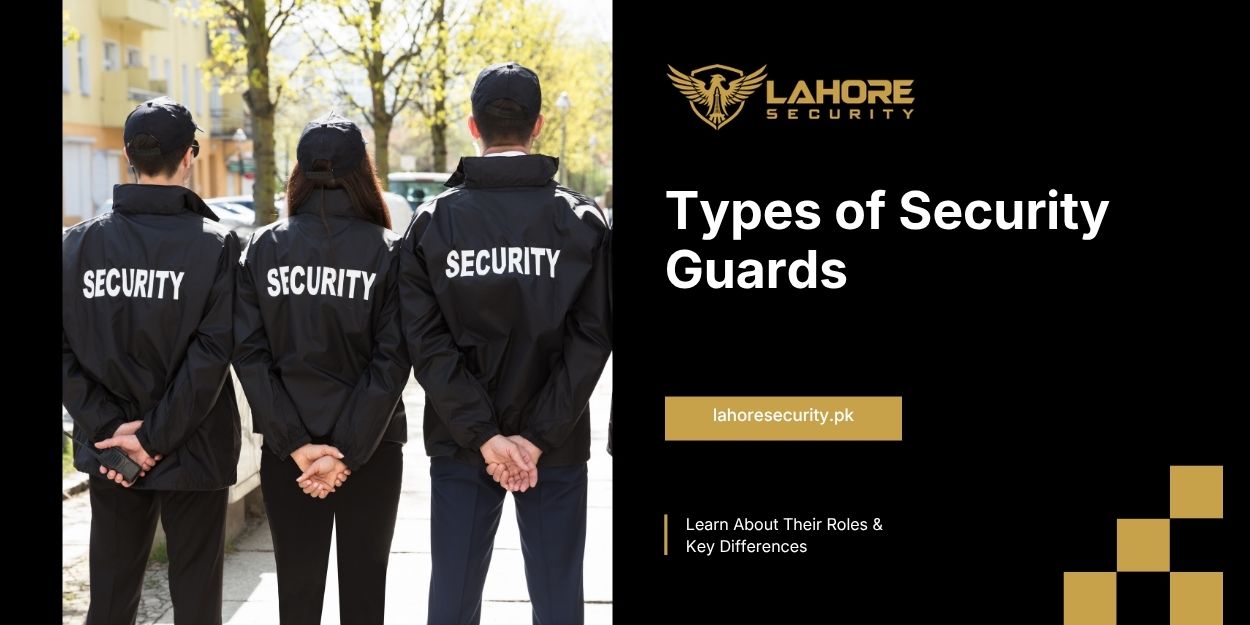
Understanding the security industry requires exploring different types of security guards and how each security professional is deployed to protect people and property effectively across various commercial and residential environments today.
How Are Security Guards Classified?
1. Armed Status, Assignment and Workplace
Every security guard undergoes specialized security training before deployment. Security companies classify them based on armed status, specific assignments, and the unique workplace environment to provide security solutions tailored for every client.
2. Why One Guard Can Fit More Than One Category
A versatile security officer often handles multiple security roles simultaneously. These private security personnel utilize advanced security systems and comprehensive security procedures to monitor security, blending static duties with dynamic patrol responsibilities seamlessly.
Armed and Unarmed Security Guards
Check if you need to hire armed or unarmed security guards!
1. Armed Security Guards
An armed guard or armed security officer carries firearms and is deployed in high-risk environments where serious threats exist. These highly trained security professionals undergo rigorous background checks and advanced tactical security training.
2. Unarmed Security Guards
An unarmed security guard or unarmed security officer focuses primarily on observation, deterrence, and reporting incidents. These unarmed guards provide security for retail stores, office buildings, and residential communities without carrying lethal weapons.
Key Differences Between Armed and Unarmed Guarding
The primary distinction in the security industry between armed and unarmed security guards involves specific operational differences, which can be broken down as follows:
Security Guard Type | Key Distinguishing Factors |
|---|---|
Armed vs. Unarmed | The presence of firearms The level of perceived risk The specific security procedures mandated by contracting security agencies |
Types of Security Guards by Deployment
1. Static Guards and Fixed-Post Security
Static guards remain stationed at a single fixed location to monitor security, deter unauthorized entry, and manage visitor logs. This traditional security service ensures constant visibility and immediate response capabilities at vulnerable checkpoints.
2. Mobile Patrol Guards
Mobile patrol security personnel conduct routine inspections across large properties using vehicles or foot patrols. These dynamic security solutions allow a single security professional to cover extensive perimeters and deter criminal activity efficiently.
3. Gate and Access Control Guards
Access control specialists manage entry points at gated communities, corporate headquarters, and industrial facilities. These security officers verify credentials, issue visitor badges, and maintain strict logs to ensure only authorized personnel enter the premises.
4. Static Guarding vs Mobile Patrols
Choosing between static guarding and mobile patrols depends on property layout and risk factors. The key differences in their operations and coverage are outlined below:
Security Service | Primary Function |
|---|---|
Static guards | Offer stationary deterrence |
Mobile patrol units | Provide flexible surveillance across expansive areas to protect diverse client assets |
Security Guards for Specialist Assignments
1. Event Security Guards
Deploying a specialized security guard for large gatherings ensures crowd control and safety. Within the security industry, event security personnel manage large crowds, utilizing strict access control and thorough security procedures to provide security seamlessly throughout crowded venues and chaotic public celebrations.
2. Bodyguards and Close Protection Officers
A dedicated bodyguard or personal protection specialist offers executive defense. This highly trained security professional operates within the private security sector, executing advanced security training and personal security protocols to safeguard high-profile individuals from credible threats.
3. Retail Loss Prevention Officers
Retail environments require a vigilant security officer to stop theft. These security personnel monitor security cameras and conduct floor patrols, acting as a crucial private security guard to minimize shrinkage and protect merchant assets across busy commercial centers.
4. Cash-in-Transit Security Personnel
Transporting valuable assets demands heavily armed security guards. Every security guard assigned to cash transit undergoes rigorous security guard training, utilizing specialized security systems and armored vehicles to protect financial shipments from violent criminal syndicates.
Types of Security Guards by Workplace
1. Residential Guards for Homes and Housing Societies
Residential communities utilize a trusted security guard service to protect residents. These unarmed security guards and mobile patrol units monitor security gates, manage visitor entry, and ensure peaceful living conditions within modern suburban housing developments.
2. Corporate Guards for Offices and Commercial Buildings
Corporate headquarters rely on a professional security officer to manage lobbies. These security guards protect office infrastructure by enforcing strict access control, verifying employee credentials, and maintaining comprehensive security procedures for daily business operations.
3. Retail Guards for Shops and Shopping Centers
Shopping malls depend on active security personnel to deter shoplifting. A qualified security professional within these retail settings coordinates with security companies to maintain order, handle disruptive visitors, and ensure overall customer safety.
4. Industrial Guards for Factories and Warehouses
Industrial complexes require robust security solutions due to massive perimeters. These types of security guards conduct extensive patrol routes, checking perimeter fencing and monitoring security systems to prevent industrial espionage and inventory theft.
5. Construction Site Security Guards
Unfinished buildings attract trespassing and material theft. Specialized security agencies deploy vigilant guards to provide security after hours, monitoring dark zones and protecting expensive construction machinery from opportunistic criminals and vandals.
6. Hospital and Healthcare Security Guards
Healthcare facilities need compassionate yet firm security personnel. A trained security officer manages emotionally charged environments, resolves conflicts in emergency rooms, and ensures patient and staff safety across sprawling medical campuses.
7. School and Campus Security Guards
Educational institutions require dedicated guards to protect students. These security guards enforce campus rules, monitor security entrances, and collaborate with administration officials to deter unauthorized visitors and maintain safe learning environments.
8. Bank Security Guards
Financial institutions demand armed security guards to deter armed robbery. These armed security officers maintain a visible deterrent inside banking halls, protecting customers, cash drawers, and financial assets from potential criminal incursions.
In-House Security Guards vs Contract Security Guards
1. Guards Employed Directly by an Organisation
In-house security personnel work directly for a single employer. This approach allows organizations to cultivate deep loyalty, ensure customized security training, and integrate security guards closely with internal company culture and specific operational needs.
2. Guards Supplied by A Private Security Company
Outsourcing protection involves hiring external security companies. These professional agencies supply vetted security personnel, deploying versatile types of security guards equipped with modern security systems to manage diverse client properties efficiently.
3. Differences in Recruitment, Supervision and Replacement Cover
Managing security teams involves complex administrative duties. Security supervisors handle recruitment and scheduling, ensuring continuous shift coverage while maintaining high standards across all deployed security roles and contracted protective services.
How Do the Different Types of Security Guards Compare?
Evaluating the diverse types of security guards requires analyzing how each security professional adapts to unique environments, ensuring that every private security agency and security company delivers optimal protection tailored precisely to client requirements.
Which Type of Security Guard Do You Need?
1. Start With the Property, People and Risks
Assessing your specific security needs involves evaluating physical vulnerabilities, asset value, and potential threats. A qualified security professional can help determine whether an armed guard, unarmed security guard, or mobile patrol best protects your commercial property effectively.
2. Match Guard Duties to Entrances, Patrol Areas and Operating Hours
Selecting the right security officer means aligning daily tasks with facility layouts. Effective security personnel manage access control at main entryways, conduct routine surveillance across vast patrol areas, and maintain constant vigilance during operational hours.
3. Check Relevant Training and Assignment Experience
Ensuring reliable protection requires verifying that every security guard possesses adequate security guard training and relevant field experience. Highly trained personnel handle specialized security roles, from event security to executive bodyguard details, with absolute professional competence.
4. Plan Staffing, Supervision and Your Budget
Developing a comprehensive security service plan involves balancing required personnel levels against financial constraints. Reliable security supervisors coordinate shift schedules, oversee contract security deployment, and maintain strict adherence to established security procedures throughout operations.
Frequently Asked Questions
How Many Types of Security Guards Are There?
The security industry classifies personnel into numerous distinct categories based on armed status, deployment methods, and workplace environments. These varied types of security guards include:
Category Type | Guard Classification |
|---|---|
Stationary / Fixed | Static guards |
Patrol / Field | Mobile patrol units |
Business / Office | Corporate officers |
Specialized / Commerce | Specialized retail loss prevention agents |
Is a Security Officer a Different Type of Security Guard?
The terms security guard and security officer are frequently used interchangeably across the private security sector. Both professional roles involve protecting property, monitoring security systems, deterring criminal activity, and enforcing facility regulations for designated clients.
Are All Bodyguards Armed?
While many executive protection specialists and bodyguards carry firearms, not all personal protection operatives are armed. Some close protection assignments rely heavily on advanced surveillance, evasion tactics, and defensive driving rather than lethal force weapons deployment.
Can One Guard Handle Both Access Control and Patrol Duties?
Versatile security personnel frequently manage multiple responsibilities during a single shift. A well-trained security guard can monitor entrance access control points, verify visitor credentials, and periodically conduct mobile patrols across the assigned property.
Are Ex-Military Guards a Separate Type of Security Guard?
Former military personnel often transition into the security industry, bringing valuable tactical experience. While not a formally classified security category, these highly trained individuals frequently secure high-risk environments, critical infrastructure, and specialized executive protection details.
Can a Property Use Several Types of Security Guards Together?
Combining multiple security solutions provides comprehensive protection for large facilities. Properties frequently deploy static guards at main gates alongside mobile patrol units and specialized retail security personnel to ensure complete coverage and maximum deterrence.