
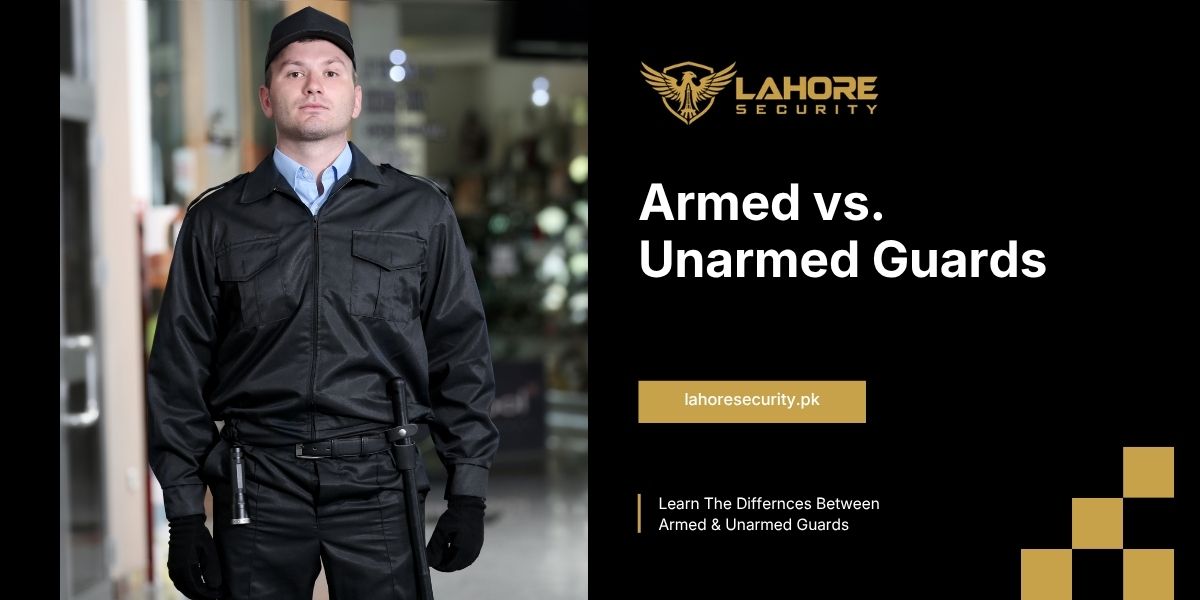
Armed vs. Unarmed Guards

Making an informed decision about your security needs is paramount in today’s complex world. This guide delves into the crucial distinctions between armed and unarmed security guards, helping you determine the most suitable security solution for your specific situation and ensuring optimal protection.
What Is the Main Difference Between Armed and Unarmed Guards?
The core distinction between armed and unarmed security guards lies primarily in their authorization to carry firearms, which significantly influences their duties, training, and the overall security presence they provide.
What Are Armed Security Guards?
An armed security guard is a highly trained professional who is legally authorized to carry a firearm while on duty. This authorization means they are equipped to offer a more assertive form of security presence, often deployed in environments with higher potential risks or where a more robust deterrent is necessary to address serious security challenges.
What Are Unarmed Security Guards?
An unarmed security guard, conversely, provides security services without the use of firearms. Their role focuses on observation, access control, de-escalation, and reporting, offering a visible security presence that aims to deter crime through vigilance and quick communication with law enforcement, rather than through armed intervention.
Armed vs. Unarmed Guards: At-a-Glance Comparison
Understanding the nuances between armed and unarmed security guards requires a comprehensive comparison across several key operational aspects, from equipment to suitability for various assignments.
1. Firearms and Assigned Equipment
The most obvious difference lies in equipment: an armed guard carries a firearm and often additional protective gear, whereas an unarmed guard relies on communication devices, observation tools, and, in some cases, less-lethal defensive equipment, to fulfill their security duties and maintain building security.
2. Duties and Responsibilities
While both types of security guard share common responsibilities, armed personnel are often tasked with protecting high-value assets and individuals, requiring a different level of engagement. Unarmed guards focus more on access control, surveillance, and customer service, providing a welcoming yet secure environment for patrons and employees.
3. Training and Preparation
Security guard training varies significantly depending on whether the role is armed or unarmed. The key differences are outlined below:
Armed Security Training Focus | Unarmed Security Training Focus |
|---|---|
Extensive firearm proficiency, tactical maneuvers, and understanding use-of-force protocols. | De-escalation techniques, first aid, and comprehensive surveillance strategies to manage security challenges effectively. |
4. Assignment Suitability
Choosing between armed and unarmed guards largely depends on the specific security needs of an assignment.
Guard Type | Typical Use Case |
|---|---|
Armed Guards | High-risk environments requiring armed protection |
Unarmed Guards | General building security, events, or environments where a less confrontational security presence is preferred |
5. Cost and Supervision Requirements
When considering security services, it’s important to note that the cost of armed security is generally higher. This can be attributed to several key factors:
Factor | Description |
|---|---|
Specialized Training | Armed personnel undergo extensive training. |
Licensing & Liability | There are specific licensing requirements and increased liability. |
Supervision & Accountability | Armed guards often require more stringent supervision and accountability frameworks. |
These factors reflect the serious implications associated with their equipment and authority.
What Responsibilities Do Both Types of Guards Share?
Despite their differences in equipment and certain specific duties, both armed and unarmed security guards share a foundational set of responsibilities critical to maintaining a secure environment and providing professional security.
1. Monitoring Entrances and Checking Visitors
Both armed and unarmed security guards are responsible for vigilant monitoring of entrances and exits, performing essential access control functions, verifying identification, and ensuring that only authorized personnel and legitimate visitors gain entry to the premises, contributing significantly to overall security presence.
2. Patrolling Premises and Reporting Concerns
Regular patrolling of the premises is a shared duty, allowing both types of security guards to maintain a visible security presence, identify potential security risks, detect suspicious activities, and promptly report any concerns or incidents to appropriate management or law enforcement, thus safeguarding the property effectively.
3. Following Site Instructions and Maintaining Records
Adherence to specific site instructions and meticulous record-keeping are universal requirements for all security personnel. Both armed and unarmed guards must diligently follow established protocols, document daily activities, log incidents, and maintain comprehensive reports to ensure accountability and effective security planning.
4. Communicating During Incidents and Emergencies
Effective communication is paramount for both armed and unarmed security guards, especially during incidents or emergencies. They are trained to clearly and calmly relay critical information, coordinate responses, and assist in evacuation procedures, ensuring the safety of occupants and facilitating a swift resolution to security challenges.
What Changes When a Guard Carries a Firearm?
The presence of a firearm significantly alters the operational dynamics for a security guard, introducing new layers of responsibility, training, and potential engagement that profoundly impact their role and the overall security solution.
1. Firearm Authorization and Equipment Accountability
When a security guard carries a firearm, they must possess specific legal authorization, including permits and licenses, which entail rigorous background checks and ongoing compliance. This also introduces strict accountability for the firearm, requiring detailed tracking and secure storage protocols to prevent misuse and ensure public safety, which is a key part of security planning.
2. Safe Handling and Assignment-Specific Training
Armed personnel undergo extensive training in safe firearm handling, marksmanship, and situational judgment. Beyond general security training, they receive assignment-specific instruction tailored to the unique risks of their post, covering scenarios where the use of force might be necessary, ensuring a professional security approach.
3. Escalation Procedures and Limits of Responsibility
Armed guards operate under precise escalation procedures, dictating when and how a firearm may be drawn or used, emphasizing de-escalation as a primary tactic. Their limits of responsibility are also clearly defined, ensuring they act within legal boundaries and ethical guidelines, making the choice between armed vs. unarmed guards a critical security decision.
When Might Unarmed Guarding Be Suitable?
Unarmed security guarding is frequently the appropriate and most cost-effective choice for environments that benefit from a visible security presence without the inherent risks associated with armed personnel. It provides a professional security presence that prioritizes observation, deterrence, and customer service.
1. Visitor Management and Routine Access Control
An unarmed security guard excels in roles requiring diligent visitor management and routine access control. Their presence at entry points ensures that only authorized individuals gain access, effectively managing the flow of people and vehicles while maintaining a welcoming yet secure environment, which is a key component of effective building security.
2. Customer-Facing and Reception Assignments
For customer-facing and reception assignments, an unarmed security guard provides a professional security presence that is approachable and reassuring. They can assist with inquiries, direct visitors, and provide a first line of defense through keen observation and excellent communication skills, making them ideal for enhancing the customer experience.
3. Observation, Patrols and Reporting Within a Wider Security Plan
Unarmed guards are integral to comprehensive security planning, focusing on observation, regular patrols, and detailed reporting of suspicious activities or incidents. This proactive approach allows for early detection of potential security challenges, enabling swift coordination with other security personnel or emergency services as part of a robust security solution.
4. Situations That Require Further Assessment
While unarmed security services are versatile, certain situations may necessitate further assessment to determine if armed protection is required. Evaluating the specific security needs and potential threats of a location helps in choosing between armed and unarmed security guards to ensure the most appropriate type of security is deployed.
When Should Armed Guarding Be Considered?
Armed guarding is a critical component of a comprehensive security solution when the risks and threats warrant a higher level of protective capability. This decision should always be based on a thorough assessment of potential dangers.
1. Credible Threats and Previous Violent Incidents
Armed security services become essential when there are credible threats of violence or a history of violent incidents at a location. In such high-risk scenarios, an armed security guard offers the necessary deterrence and the capability to respond effectively, providing a formidable professional security presence against serious security challenges.
2. Sensitive Assignments and Exposed Assets
For sensitive assignments involving high-value assets, critical infrastructure, or VIP protection, armed personnel are often indispensable. The enhanced security presence provided by an armed guard acts as a significant deterrent, protecting exposed assets and individuals from potential threats where an unarmed guard might be insufficient.
3. Site Conditions, Available Support and Response Arrangements
The decision to deploy an armed guard must also consider site conditions, the availability of external support, and local law enforcement response times. In remote locations or areas with delayed emergency services, armed security personnel can provide immediate armed protection, closing critical gaps in security planning and response.
4. Why Property Value Alone Does Not Determine the Choice
It is crucial to understand that property value alone does not dictate the need for armed security. While valuable assets often warrant greater protection, the primary factor in choosing between armed and unarmed guards is the assessment of actual threats to life and safety, not just material worth, which guides the right type of security.
How Do Requirements Differ Between Properties?
The specific security needs vary significantly across different property types, influencing the choice between armed and unarmed security guards. A tailored approach ensures that the most effective security solution is implemented for each unique environment.
1. Homes and Residential Communities
For homes and residential communities, an unarmed security guard often provides the ideal visible security presence, focusing on access control, patrols, and community engagement. Their role is typically to deter petty crime, manage visitor entry, and ensure a peaceful living environment, making unarmed security services a popular choice.
2. Offices and Commercial Buildings
Offices and commercial buildings usually benefit from unarmed security personnel who handle visitor management, monitor surveillance systems, and provide a professional security presence. While armed guards might be considered for high-profile tenants or specific threats, unarmed security guard services are generally sufficient for daily operations.
3. Shops and Retail Premises
In shops and retail premises, an unarmed security guard is effective for loss prevention, customer assistance, and maintaining order. Their presence helps deter shoplifting and manage crowds, contributing to a safe shopping experience. Armed vs unarmed security guards here depends on the store’s risk profile.
4. Factories and Warehouses
Factories and warehouses often require a mix of security strategies, but unarmed security guards are frequently deployed for perimeter patrols, access control, and monitoring inventory. The choice between armed and unarmed guards for these sites depends on the value of goods, location, and specific security challenges.
5. Schools and Healthcare Facilities
Schools and healthcare facilities typically prioritize a comforting yet firm visible security presence. Unarmed personnel are usually preferred to manage access, respond to minor incidents, and interact with students, patients, and staff, maintaining a secure and nurturing environment through professional security practices.
6. Weddings and Public Events
For weddings and public events, unarmed security guard services are commonly employed to manage crowd control, assist attendees, and provide a general security presence. An unarmed guard focuses on de-escalation and ensuring a smooth, enjoyable event, reserving armed protection for events with specific, elevated threat assessments.
Armed vs. Unarmed Guard Costs: What Should You Compare?
Understanding the financial implications when choosing between armed vs unarmed security guards requires a detailed comparison beyond just hourly rates. A comprehensive evaluation ensures that the chosen security solution aligns with both safety needs and budgetary constraints.
1. Personnel, Training and Equipment
When comparing costs, factor in the personnel expenses, which are higher for armed guards due to specialized security training, licensing, and liability. Equipment costs for armed personnel, including firearms and protective gear, also contribute to the difference between armed and unarmed security guards’ overall pricing.
2. Coverage Hours, Number of Posts and Relief Staff
The total cost of security guard services is heavily influenced by coverage hours, the number of security posts, and the need for relief staff. Longer shifts and multiple posts increase overall expenses, regardless of whether you choose armed or unarmed personnel, impacting the total price of your security solution.
3. Supervision, Transport and Quotation Inclusions
Ensure your quotations for private security include costs for supervision, transportation of security personnel, and any other specific service inclusions. A clear understanding of these details helps in making an accurate comparison between armed and unarmed security guards and selecting the right type of security.
4. Comparing Prices for the Same Assignment
To effectively choose the right type of security, obtain detailed quotes for the exact same assignment from various security companies, clearly specifying whether you need an armed or unarmed guard. This allows for a direct comparison of armed vs. unarmed guard costs based on identical security needs.
Can Armed and Unarmed Guards Work Together?
Yes, armed and unarmed guards can effectively work together as part of a comprehensive security solution, often enhancing the overall professional security presence and response capabilities. This collaborative approach allows for a stratified defense against various security challenges, leveraging the unique strengths of both armed and unarmed personnel.
1. Assigning Different Responsibilities to Different Posts
To optimize their combined effectiveness, it is crucial to assign different responsibilities to armed and unarmed security guards based on their specific posts and the inherent risks associated with those areas. For instance, unarmed security guard services might handle visitor management and general access control at public entry points, while armed personnel are stationed in areas with high-value assets or critical infrastructure, where the potential for direct threats requires armed protection. This strategic deployment maximizes the efficiency of the security team and ensures the right type of security is applied where it’s most needed.
2. Coordinating Communication and Supervision
Effective coordination of communication and rigorous supervision are paramount when armed and unarmed guards operate together. A clear communication protocol, utilizing radios or other secure channels, ensures that all security personnel can promptly share information regarding suspicious activities or incidents. Regular briefings and a defined chain of command, facilitated by experienced supervisors, help to maintain a cohesive professional security effort, ensuring that any security challenges are addressed swiftly and appropriately by the relevant type of guard.
3. Maintaining Clear Handover and Escalation Procedures
Maintaining clear handover and escalation procedures is vital for seamless operations between armed and unarmed security guards. These procedures define how unarmed personnel should communicate and transfer responsibility to armed guards in situations requiring a higher level of force, such as a credible threat or an active security breach. This ensures a smooth transition and appropriate response, minimizing confusion and maximizing effectiveness in critical moments, which is a key aspect of robust security planning and addressing complex security challenges.
How to Choose Between Armed and Unarmed Guards
Choosing between armed and unarmed guards is a critical decision that hinges on a thorough assessment of your specific security needs and potential risks. It’s not a one-size-fits-all solution, requiring careful consideration to ensure the chosen security solution is both effective and proportionate.
1. Identify What Needs Protection
The first step in choosing between armed and unarmed security guards is to clearly identify what specific assets, individuals, or information require protection. Understanding the value and vulnerability of these elements helps to define the potential impact of a security breach, guiding your decision on the necessary level of security presence and the type of guard required.
2. Assess Specific Threats and Previous Incidents
A comprehensive assessment of specific threats, including any previous incidents or credible intelligence, is crucial. This involves analyzing the nature of potential security challenges, such as theft, vandalism, or violent crime. This risk assessment will inform whether an unarmed security guard is sufficient for deterrence and observation, or if armed protection is warranted due to a high likelihood of serious threats, influencing your choice of security services.
3. Review Entrances, Operating Hours and Existing Controls
Reviewing the physical layout, including all entrances and exits, operating hours, and existing access control measures, is essential for effective security planning. This analysis helps determine where security personnel are most needed and what capabilities they should possess. Understanding these elements can highlight vulnerabilities that an unarmed security guard can manage through constant vigilance or areas that might necessitate an armed guard due to their strategic importance or high risk during specific times.
4. Define the Duties and Coverage Required
Clearly defining the specific duties and the extent of coverage required for security personnel is a vital step. This includes outlining responsibilities such as patrolling, monitoring CCTV, visitor management, or emergency response. A precise definition helps in choosing between armed and unarmed guards, ensuring that the selected type of security guard has the appropriate training and equipment to fulfill the assignment effectively, providing a professional security presence tailored to your needs.
5. Check Relevant Training, Documents and Service Terms
Before finalizing your decision, thoroughly check the relevant security training, licensing documents, and service terms offered by any security company. Ensure that armed personnel have up-to-date firearm authorization and comprehensive security training, while unarmed personnel are skilled in de-escalation, first aid, and observation. Understanding these details, including insurance and liability, is crucial for choosing the right type of security and a reliable security solution.
6. Review the Arrangement When Circumstances Change
Security needs are not static, so it’s imperative to review the security arrangement when circumstances change, such as an increase in local crime rates, a change in business operations, or specific threats. This ongoing evaluation allows for adjustments in your security solution, including whether to transition between armed and unarmed guards, ensuring that your security presence remains appropriate and effective against evolving security challenges.
Common Mistakes When Comparing Guarding Options
When evaluating security guarding options, businesses often make common mistakes that can lead to suboptimal security solutions. Avoiding these pitfalls is crucial for making an informed decision about your security needs and ensuring effective protection.
1. Assuming Armed Guards Are Always the Better Choice
A frequent mistake is assuming that armed guards are always the superior choice for any security need, regardless of the specific context. While armed personnel offer a strong deterrent and response capability, they also introduce higher costs, increased liability, and a more confrontational presence that may not be suitable for all environments. Choosing between armed vs unarmed security guards requires a nuanced understanding of risk, not just a blanket assumption.
2. Treating Unarmed Guarding as an Untrained Role
Another significant error is treating unarmed guarding as an untrained or less professional role. In reality, unarmed security guard services demand extensive security training in areas such as de-escalation, conflict resolution, first aid, comprehensive surveillance, and report writing. An effective unarmed security guard is a highly skilled professional providing a critical visible security presence, adept at proactive observation and communication, and integral to any robust security planning.
3. Choosing Solely on the Lowest Monthly Price
Choosing a security solution solely based on the lowest monthly price is a common pitfall that often compromises the quality and effectiveness of security services. While budget is a factor, prioritizing the lowest cost without considering the comprehensive training, experience, and supervision of the security guard personnel can lead to inadequate protection and greater security challenges in the long run. The right type of security is an investment, not just an expense.
4. Expecting Guards to Replace Locks, Lighting and Access Procedures
It is a mistake to expect security guards, whether armed or unarmed, to completely replace fundamental physical security measures like robust locks, adequate lighting, and effective access control procedures. Security personnel are part of a layered security strategy; they enhance existing controls but do not negate the need for a secure physical environment. A comprehensive security solution integrates both human elements and structural safeguards for optimal building security.
5. Overlooking Supervision and Replacement Cover
Overlooking the importance of adequate supervision and reliable replacement cover for security personnel is a mistake that can severely undermine the effectiveness of your security presence. Proper supervision ensures guards adhere to protocols and maintain high standards, while readily available replacement cover guarantees continuous protection, especially during absences or emergencies, ensuring that your chosen type of guard consistently meets your security needs.
Frequently Asked Questions
Navigating the complexities of security options often leads to many questions. Here, we address some of the most frequently asked questions about armed vs unarmed security guards to help you make informed decisions.
Are Armed Guards Always More Effective Than Unarmed Guards?
Armed guards are not always inherently more effective than unarmed guards; their effectiveness is highly dependent on the specific security needs and threat assessment of a given environment. While armed personnel provide a strong deterrent and immediate response capability to violent threats, unarmed security guard services excel in roles requiring customer interaction, de-escalation, and a less intimidating visible security presence, often proving more effective in fostering a safe and welcoming atmosphere for general building security.
Do Unarmed Guards Receive Security Training?
Yes, unarmed guards receive extensive security training, which is foundational to their role. This training typically covers critical areas such as access control protocols, patrolling techniques, emergency response procedures, first aid, de-escalation tactics, conflict resolution, and detailed report writing. This comprehensive security training ensures that an unarmed security guard is well-prepared to handle a wide range of security challenges effectively, providing a professional security presence without the use of firearms.
Does Carrying a Firearm Give a Guard Police Powers?
No, carrying a firearm does not inherently give a private security guard police powers. Armed security guards operate under specific legal authorities, which are generally limited to the scope of their employment and state-specific regulations, often aligning with a citizen’s right to self-defense or defense of others/property. They are not law enforcement officers and must act within defined legal boundaries, coordinating with actual police when official powers are required.
Can a Business Change From Unarmed to Armed Guarding?
Yes, a business can absolutely change from unarmed to armed guarding, or vice-versa, if their security needs evolve. This transition typically requires a thorough reassessment of current security challenges, potential threats, and a review of the existing security planning. Working closely with a professional security company is essential to ensure a smooth transition, proper licensing, and appropriate security training for the new type of guard service.
Does Overnight Coverage Automatically Require Armed Guards?
Overnight coverage does not automatically require armed guards. The decision for armed vs unarmed security guards during overnight hours depends on a comprehensive risk assessment, considering factors such as the nature of the property, its location, the value of assets, and historical crime data. Many businesses successfully utilize unarmed security guard services for overnight patrols and monitoring, relying on their vigilance and ability to promptly report incidents to law enforcement, ensuring effective building security.
Can CCTV Replace the Need for Security Personnel?
While CCTV systems are invaluable tools for surveillance and evidence collection, they cannot entirely replace the need for security personnel. CCTV acts as a deterrent and a monitoring aid, but it lacks the human element of immediate intervention, judgment in complex situations, and direct interaction. A comprehensive security solution often integrates both advanced CCTV technology and professional security guard services, with either an armed or unarmed guard providing a visible security presence and active response capabilities.
What Information Is Needed to Recommend a Guarding Arrangement?
To recommend the most suitable guarding arrangement, a security company typically needs comprehensive information including the specific security needs of the site, a detailed threat assessment, historical incident data, the layout of the premises, operating hours, existing access control measures, and budgetary considerations. This holistic understanding allows for an informed recommendation on the appropriate type of security, whether it involves an armed guard, an unarmed security guard, or a combination of both armed and unarmed guards to address all security challenges effectively.


One Comment