
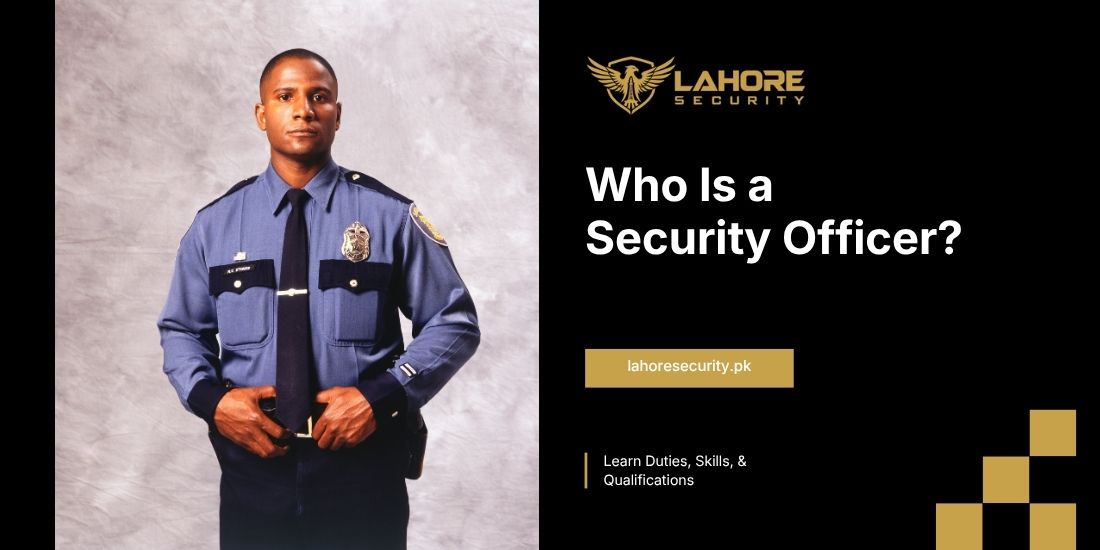
Who Is a Security Officer?

This comprehensive guide will explore the multifaceted role of a security officer, detailing the extensive duties and responsibilities, essential skills, and necessary qualifications required to excel in this vital profession within the security industry.
What Is a Security Officer?
A security officer, often referred to as a security guard, is a professional whose primary responsibility involves protecting people, property, and assets from various threats and potential security breaches.
These dedicated individuals perform critical security work across a multitude of environments, making their role indispensable within the private security industry.
The primary responsibilities of a security officer include:
What they protect | From what they protect |
|---|---|
People | Various threats and potential security breaches |
Property and assets | Various threats and potential security breaches |
What Is the Main Purpose of a Security Officer?
The main purpose of a security officer is to maintain a safe and secure environment. This involves several key responsibilities:
Primary Role | Description |
|---|---|
Deterrence | Deterring criminal activity and providing a visible layer of security service. |
Response & Enforcement | Responding to incidents and enforcing security procedures to prevent potential security breaches and ensure order. |
Who Does a Security Officer Protect?
A security officer protects a diverse range of individuals and assets, safeguarding the overall well-being and operational continuity of an organization or location. Their responsibilities include:
Protected Category | Specific Examples |
|---|---|
Individuals | Employees, customers, visitors, and the general public |
Assets | Physical premises, valuable equipment, and sensitive information |
How Does the Role Differ Between Organizations?
The role of a security officer can differ significantly between organizations, ranging from an unarmed security guard patrolling a retail store to an armed security guard protecting a high-value facility, with variations in responsibilities and necessary security training based on specific industry needs and potential security risks.
What Does a Security Officer Do?
Security officers undertake a wide array of duties and responsibilities designed to uphold safety and security, encompassing proactive measures, vigilant observation, and responsive actions to effectively manage various security concerns and emergency situations.
Monitor Entrances and Control Access
One of the primary duties of security personnel is to monitor entrances and implement strict access control protocols, ensuring that only authorized individuals gain entry to the premises and thereby preventing unauthorized access that could lead to security breaches.
Check Visitors, Contractors, and Deliveries
Security professionals meticulously check visitors, contractors, and deliveries, verifying identification and credentials to ensure compliance with established security procedures and mitigate potential risks associated with unknown individuals or packages entering the controlled environment.
Patrol Premises and Identify Security Concerns
Regularly patrolling the premises is a fundamental aspect of the job description, allowing security officers to actively identify potential security concerns, observe suspicious activity, and promptly address any vulnerabilities in the security systems or physical environment.
Observe CCTV and Respond to Alarms
Vigilant observation of surveillance equipment, particularly CCTV, is crucial, enabling security staff to identify and respond swiftly to alarms and other indicators of potential security incidents, ensuring a rapid and effective resolution.
Record Incidents and Prepare Reports
A vital responsibility of security management involves diligently recording all incidents, no matter how minor, and meticulously preparing detailed reports, which serve as crucial documentation for investigations and future security planning.
Follow Emergency Procedures and Request Assistance
In emergency situations, security officers are trained to meticulously follow established emergency procedures, including first aid protocols, and to promptly request assistance from supervisors or external emergency services when the situation warrants additional support.
Coordinate With Staff, Supervisors, and Emergency Services
Effective security work often requires seamless coordination with internal staff, supervisors, and external emergency services, ensuring a unified and efficient response to any security incident or emergency situation that may arise on the premises.
Where Do Security Officers Work?
Offices and Commercial Buildings
Security officers are frequently employed in offices and commercial buildings, providing essential security service by managing access control, conducting patrols, and monitoring surveillance equipment to protect employees, visitors, and valuable assets within these corporate environments. Their presence is key to maintaining a secure premise.
Homes and Residential Communities
In homes and residential communities, security officers offer a vital layer of private security, performing duties such as patrolling the area, monitoring entry points, and responding to emergency calls to ensure the safety and peace of mind for residents and their properties.
Shops, Hotels, and Event Venues
Security personnel are integral to shops, hotels, and event venues, where they prevent theft, manage crowds, and respond to incidents, enhancing public safety and protecting both customers and staff. Their security work is crucial for smooth operations and customer experience.
Schools, Hospitals, and Public Facilities
Schools, hospitals, and other public facilities greatly benefit from the presence of security officers, who manage access, respond to emergencies, and ensure a safe environment for students, patients, and the general public. These roles often require specialized security training.
Factories, Warehouses, and Construction Sites
Factories, warehouses, and construction sites rely on security officers to protect valuable equipment, materials, and intellectual property, preventing theft and vandalism. Their responsibilities include regular patrols and monitoring access points, safeguarding the premises from various security breaches.
What Is the Difference Between a Security Officer and a Security Guard?
Where Duties and Job Titles Overlap
The terms “security officer” and “security guard” often overlap significantly in the security industry, with many of the duties and responsibilities being identical. Both roles typically involve protecting property, maintaining order, and enforcing security procedures, making the distinction sometimes purely semantic depending on the security company.
When an Officer Has Supervisory Responsibilities
A key differentiator can be observed when a “security officer” holds supervisory responsibilities, overseeing a team of security guards or managing specific aspects of security operations. This often implies a higher level of experience in security and a broader scope of security management duties.
Why the Job Description Matters More Than the Title
Ultimately, the job description provides a clearer understanding of the specific responsibilities and required qualifications than the title alone. Whether it’s an unarmed security guard or an armed security officer, the core functions and expectations are detailed in the specific security work outlined by the private security company.
Is a Security Officer the Same as a Police Officer?
Private Security Responsibilities and Police Duties
A security officer’s private security responsibilities are distinct from police duties, primarily focusing on crime prevention and property protection within specific premises, whereas police officers enforce public law and order across broader jurisdictions.
Limits of Authority and When to Contact the Police
Security officers operate within limited authority, primarily acting as deterrents and observers, and are mandated to contact the police for criminal offenses or serious emergency situations. Unlike police, they do not possess the power to arrest, only to detain, underscoring the clear distinction in their roles.
Do Security Officers Carry Firearms?
Armed Security Officer Assignments
Yes, some security officers are authorized to carry firearms, particularly those assigned to armed security roles that involve protecting high-value assets, responding to significant threats, or operating in environments with a heightened risk of security breaches. This requires specialized security training and explicit authorization.
Unarmed Security Officer Assignments
Conversely, many security officers operate as unarmed security guards, focusing on deterrence, observation, and reporting rather than direct armed intervention. Their security work typically involves access control, patrolling, and monitoring surveillance equipment, suitable for premises with lower perceived risks.
How the Assignment Determines Equipment and Preparation
The specific assignment dictates whether a security officer is an armed security guard or an unarmed security guard, influencing the equipment they carry, the security training they receive, and their overall preparation for the job. High-risk assignments demand armed security, while others may rely on deterrents.
What Skills Does a Security Officer Need?
Observation and Situational Awareness
Exceptional observation and situational awareness are paramount for any security officer, enabling them to identify potential security breaches, recognize suspicious activity during patrol, and proactively respond to threats before they escalate. This skill is foundational to effective security work.
Communication and Conflict De-escalation
Strong communication skills and the ability to de-escalate conflicts are crucial, allowing security personnel to interact effectively with individuals, manage difficult situations calmly, and resolve minor disturbances without resorting to force, thereby maintaining order on the premises.
Sound Judgment and Problem-Solving
A security officer must possess sound judgment and problem-solving abilities to assess rapidly evolving situations, make quick and informed decisions, and implement appropriate security procedures, especially during an emergency, ensuring effective security management and safety.
Accurate Reporting and Record-Keeping
Accurate reporting and meticulous record-keeping are vital responsibilities of security staff, as detailed incident reports provide crucial documentation for investigations, legal proceedings, and future security planning, contributing to overall security management and compliance.
Professional Conduct and Respect for Privacy
Maintaining professional conduct and demonstrating unwavering respect for privacy are essential for a security officer, fostering trust with the public and upholding the reputation of the private security industry. This ensures that all security work is performed ethically.
Fitness Relevant to Assigned Duties
Physical fitness relevant to assigned duties is often a requirement, enabling a security officer to perform tasks such as extensive patrol, rapid response to an emergency, and, if necessary, physical intervention, ensuring they can meet the demands of their security work.
What Qualifications Does a Security Officer Need in Pakistan?
Education and Experience Requirements
In Pakistan, a security officer typically needs a basic level of education, often a matriculation diploma, coupled with relevant experience in security, especially for more specialized roles like armed security. This foundational knowledge is essential for effective security management.
Identity and Background Verification
All aspiring security personnel in Pakistan must undergo a thorough identity and background check, ensuring they have a clean record and are suitable for the responsibilities of security work within the private security industry, thereby enhancing public trust.
Security Training and Relevant Vocational Qualifications
Mandatory security training and relevant vocational qualifications are crucial in Pakistan. This training covers various aspects of security service, including first aid, use of surveillance equipment, and specific security procedures, preparing them for their duties and responsibilities.
Site Induction and Assignment-Specific Preparation
Beyond general qualifications, a security officer in Pakistan undergoes site induction and assignment-specific preparation, which includes familiarization with the premises, specific access control systems, and protocols relevant to the types of security required for their particular job description.
What Happens During a Security Officer’s Shift?
Receiving Instructions and Taking Over the Post
At the start of a security officer’s shift, the incoming security personnel receive detailed instructions from the outgoing security staff or a supervisor. This critical handover ensures a smooth transition of duties and responsibilities, including any specific security concerns or ongoing incidents on the premises that require immediate attention.
Completing Assigned Checks and Recording Activity
Throughout their shift, a security officer performs various assigned checks, such as regular patrols of the premises, monitoring surveillance equipment, and verifying access control points. Every significant observation, incident, or action taken is meticulously recorded, creating a comprehensive log of the security work performed during the shift.
Reporting Concerns and Handing Over to the Next Shift
Towards the end of their shift, the security officer compiles a report detailing any security breaches, potential security threats, or unusual activity observed. This information is then communicated to the incoming security guard, ensuring continuity in security management and preparing them for their responsibilities in security.
How Do You Become a Security Officer in Pakistan?
Review the Requirements of the Specific Position
To become a security officer in Pakistan, an aspiring individual must first thoroughly review the requirements for the specific security position they are interested in. Different types of security roles, such as an unarmed security guard or an armed security guard, will have varying qualifications, experience in security, and security training needs.
Complete Relevant Training and Required Checks
Prospective security personnel in Pakistan must complete all relevant security training, which often includes first aid, basic security procedures, and the operation of surveillance equipment. Additionally, a mandatory background check and identity verification are crucial steps to obtain a guard card and qualify for security work in the private security industry.
Gain Practical Experience and Develop Your Skills
Gaining practical experience is vital for a security officer to develop and refine their skills. This can be achieved through entry-level security jobs, where they learn to effectively patrol a premise, manage access control, and respond to potential security issues, gradually enhancing their expertise in private security.
Progress Towards Supervisory or Management Roles
With sufficient experience in security and demonstrated capabilities, a security officer can progress towards supervisory or management roles within security companies. This career path often involves additional security training in security management, leadership, and advanced security systems, expanding their duties and responsibilities beyond routine patrol.
Frequently Asked Questions
Can a Civilian Become a Security Officer?
Yes, a civilian can absolutely become a security officer. While military or law enforcement experience is beneficial, it is not always a mandatory qualification. Civilians who meet the educational requirements, pass a background check, and complete the necessary security training can pursue a career in private security.
Do Security Officers Need Previous Military Experience?
No, security officers do not inherently need previous military experience, although it is often seen as an advantageous background due to the discipline and training involved. Many security companies hire individuals based on their potential, willingness to undergo comprehensive security training, and ability to meet the job description.
Is Every Security Officer a Supervisor?
No, not every security officer is a supervisor. While some experienced security personnel may hold supervisory roles, overseeing a team of security guards or managing security operations, many officers perform front-line security work without direct supervisory responsibilities. The job description clarifies this distinction.
Do Security Officers Work Night Shifts?
Yes, security officers frequently work night shifts, as security service is required around the clock to protect the premises, assets, and personnel. Many security companies operate on a 24/7 basis, meaning security staff must be available for various shift patterns, including nights, weekends, and holidays, to ensure continuous security.
How Is a Security Officer Different From a CCTV Operator?
While both roles contribute to security management, a security officer often has broader duties and responsibilities, including physical patrol, access control, and direct response to an emergency, whereas a CCTV operator primarily monitors surveillance equipment from a fixed location, focusing on observation and reporting potential security breaches.
What Should an Employer Check Before Appointing a Security Officer?
Before appointing a security officer, an employer should conduct a thorough background check, verify all qualifications, including any security training diplomas, and confirm relevant experience in security. They must also assess the candidate’s fitness for the specific types of security work, ensuring they can effectively perform duties and responsibilities like operating surveillance equipment or providing first aid, to maintain secure premises and uphold the standards of the private security industry.

One Comment